


Sublimation mugs have become a popular choice for personalized gifts and promotional items. The process of sublimation allows for vibrant, full-color designs to be transferred onto mugs, creating a durable and visually appealing product. This article delves into the intricacies of sublimating a mug, exploring the materials, equipment, and techniques involved. For those interested in exploring a variety of sublimation cup designs, you can find more options on the sublimation cup page.
Sublimation is a chemical process where a solid turns into a gas without going through a liquid stage. In the context of sublimation printing, it involves transferring dye onto materials such as ceramics, fabrics, or metals. The dye is embedded into the material, resulting in a permanent and vibrant image. This makes sublimation ideal for creating customized mugs that can withstand regular use and washing.
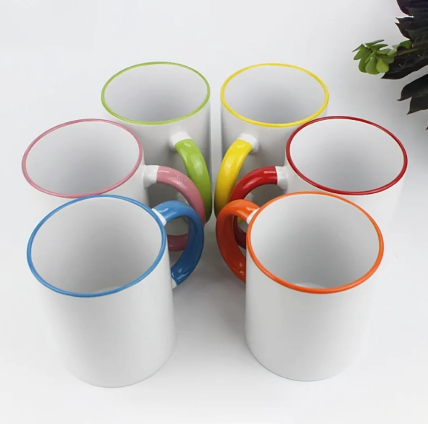
To successfully sublimate a mug, you need specific materials that are compatible with the sublimation process. These include sublimation mugs, which are specially coated to absorb the dye. Regular mugs will not work as they lack the necessary coating. You will also need sublimation paper, sublimation ink, and a heat-resistant tape to secure the design during the transfer process.
The primary piece of equipment for sublimating mugs is a sublimation cup heat press. This machine applies heat and pressure to transfer the design from the sublimation paper onto the mug. It's essential to use a heat press that can maintain consistent temperature and pressure to ensure a successful transfer. Additionally, a printer capable of using sublimation ink is necessary to print your designs onto the sublimation paper.
The sublimation process involves several steps, each crucial for achieving a high-quality result. First, you need to create or select a design. This design is then printed onto sublimation paper using sublimation ink. Once printed, the design is cut to size and secured onto the mug using heat-resistant tape. The mug is then placed in the sublimation cup heat press, where heat and pressure are applied to transfer the design.
The success of the sublimation process heavily depends on the correct temperature and time settings. Generally, the heat press should be set to around 400°F (204°C) and the mug should be pressed for approximately 3-5 minutes. However, these settings can vary based on the specific equipment and materials used. It's advisable to consult the manufacturer's guidelines for optimal results.
After the pressing process, the mug needs to cool down before the sublimation paper is removed. This cooling period allows the dye to set into the mug's coating, ensuring a durable finish. Once cooled, the paper can be peeled off to reveal the final design. It's important to handle the mug carefully during this stage to avoid smudging or damaging the design.
When creating designs for sublimation mugs, there are several factors to consider to ensure the best outcome. The design should be high-resolution to prevent pixelation. Additionally, the colors in the design should be vibrant, as sublimation tends to slightly mute colors. It's also important to consider the placement of the design on the mug, ensuring it aligns correctly and is visually appealing.
Custom designs can be created using graphic design software such as Adobe Photoshop or Illustrator. These programs allow for precise control over the design elements, including color, size, and placement. For those less experienced with design software, online platforms offer templates and tools to assist in creating professional-looking designs.
Current trends in sublimation cup designs include minimalist aesthetics, bold typography, and personalized images. Many businesses use sublimation mugs as promotional items, incorporating their logos and branding into the design. Personalized mugs with names or special messages are also popular for gifts and special occasions.
While sublimation offers many benefits, it also presents challenges. One common issue is ghosting, where the design appears blurry or doubled. This can occur if the sublimation paper shifts during the transfer process. To prevent this, ensure the paper is securely taped to the mug and the heat press applies even pressure. Another challenge is color accuracy, as sublimation can alter the appearance of colors. Testing designs on a small scale before full production can help mitigate this issue.
Implementing a quality control process is essential to ensure consistent results. This includes inspecting each mug for defects, such as uneven coating or misaligned designs. Regular maintenance of equipment, such as cleaning the heat press and replacing worn parts, also contributes to maintaining high-quality standards.
Sublimation is a relatively eco-friendly printing method, as it produces minimal waste and uses water-based inks. However, it's important to source materials from suppliers committed to sustainable practices. Choosing mugs made from recycled materials and ensuring proper disposal of waste products can further reduce the environmental impact.
Sublimating a mug is a rewarding process that combines creativity with technical skill. By understanding the materials, equipment, and techniques involved, you can create high-quality, customized mugs that are both functional and visually appealing. Whether for personal use or business purposes, sublimation mugs offer endless possibilities for expression and branding.
1. What are sublimation mugs?
Sublimation mugs are specially coated ceramic mugs designed to absorb sublimation dye, allowing for vibrant, full-color designs to be transferred onto them.
2. Can any mug be used for sublimation?
No, only mugs with a special sublimation coating can be used. Regular mugs lack the necessary coating to absorb the dye.
3. What is the ideal temperature for sublimating a mug?
The ideal temperature is typically around 400°F (204°C), but it's important to follow the manufacturer's guidelines for specific equipment and materials.
4. How long does the sublimation process take?
The pressing process usually takes 3-5 minutes, but this can vary depending on the equipment and materials used.
5. What are some common issues with sublimation?
Common issues include ghosting, where the design appears blurry, and color inaccuracies. Proper setup and testing can help prevent these problems.
6. Are sublimation mugs dishwasher safe?
Yes, sublimation mugs are generally dishwasher safe, but hand washing is recommended to prolong the life of the design.
7. Where can I find sublimation cup designs?
Various designs can be found online, or you can create custom designs using graphic design software. Check out the Sublimation Cup page for more options.


